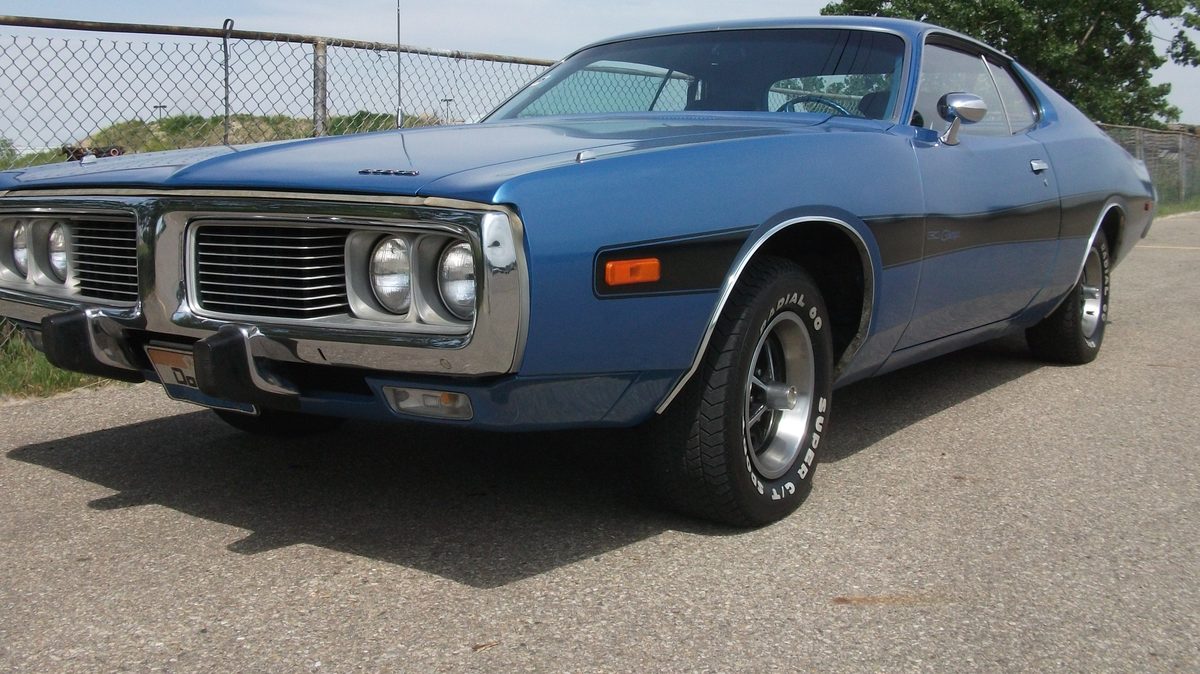
Engine
440 Big Block
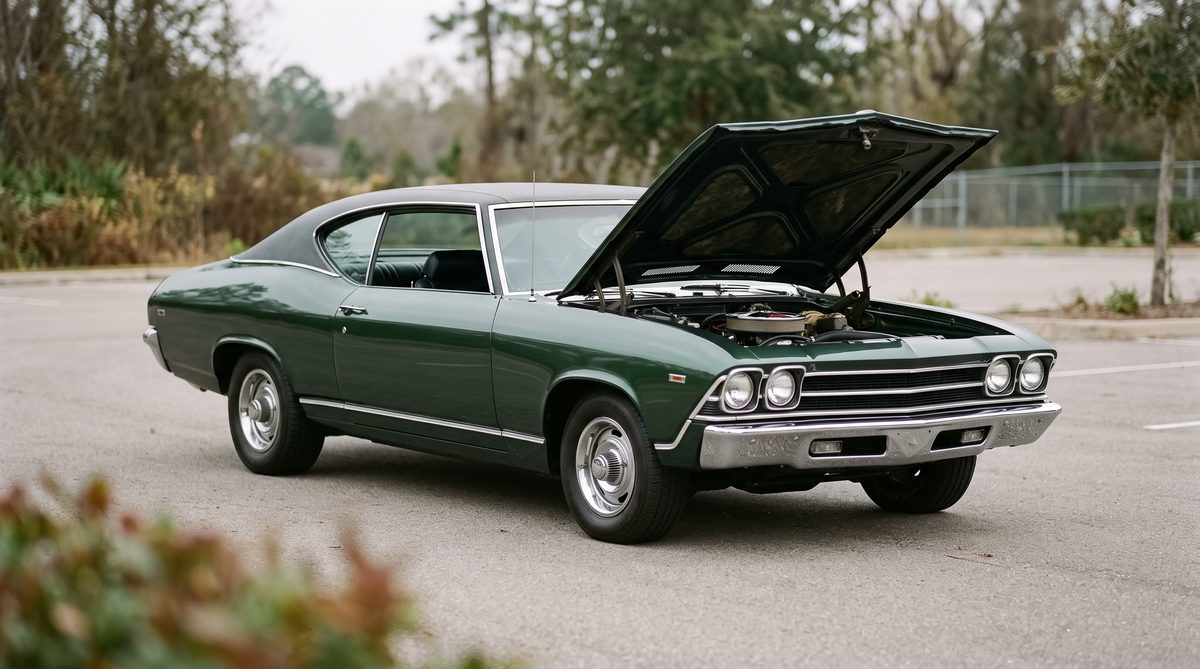 COVER · CHEVROLET · CHEVELLE COWL TAG DECODER: WHAT THE PLAT
The Fisher Body plate on a 1964 to 1972 Chevelle nails the paint and trim, but it cannot prove the engine or the SS, and the VIN can only do it in certain years.
Our daily video show on American muscle. Every make, every era, one big block at a time. A new episode drops every morning on the Big Block Radio channel.
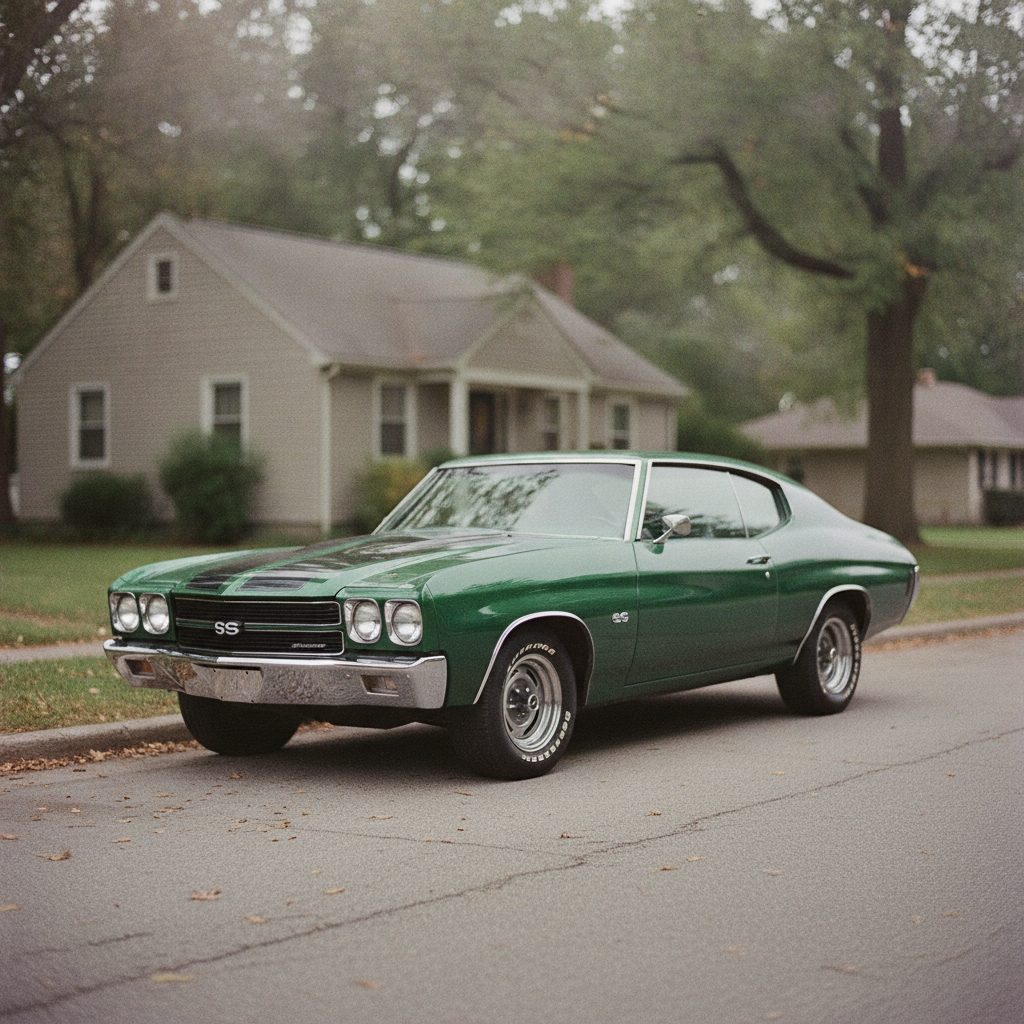
For thirty years the dream was the same: pull the tarp, find the GNX, retire. That math no longer works. And the collectors who understand why are quietly buying something else entirely. We followed the money through three auctions and a dozen private sales.
Read the Feature →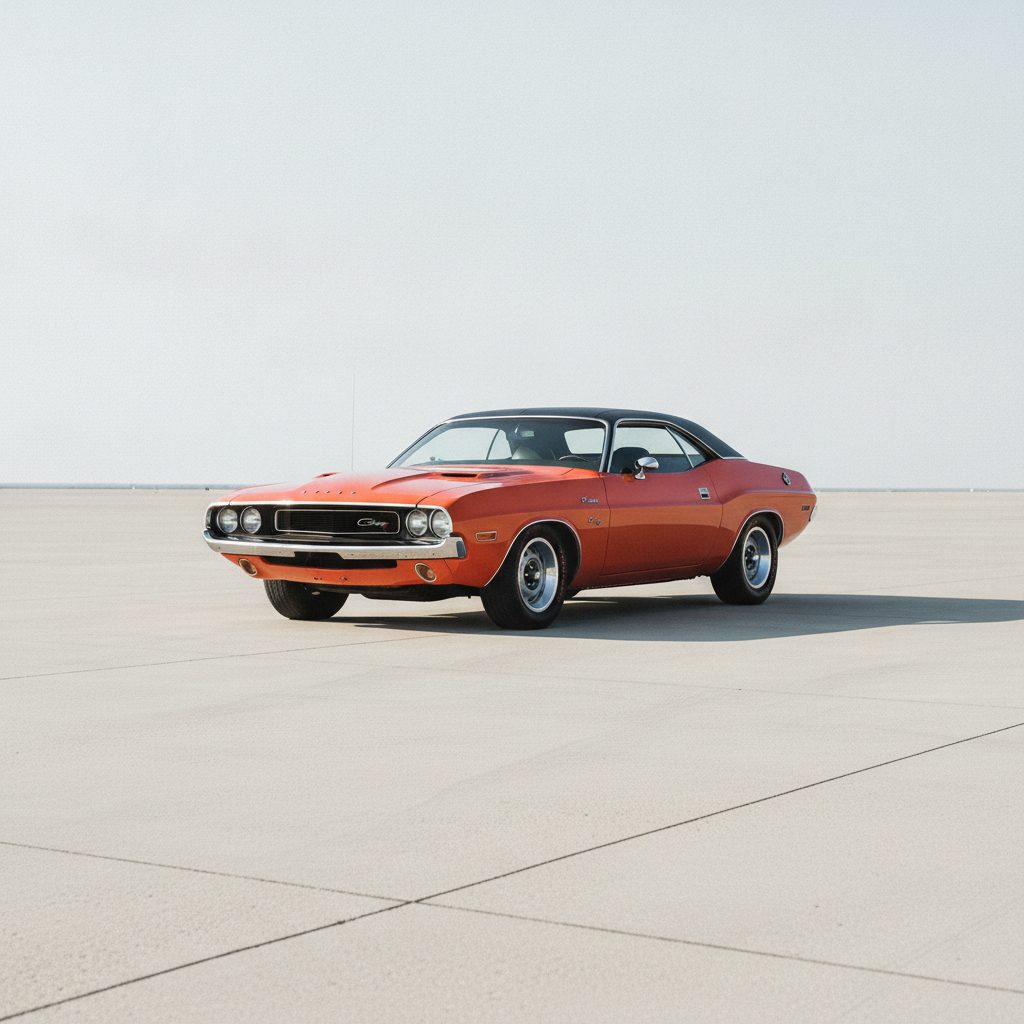
Owner Ray Delgado spent three winters in a two-car garage turning a rusted shell into this. No shop, no crew. Just a manual, a stack of parts, and a lot of patience. Here is how it came together.
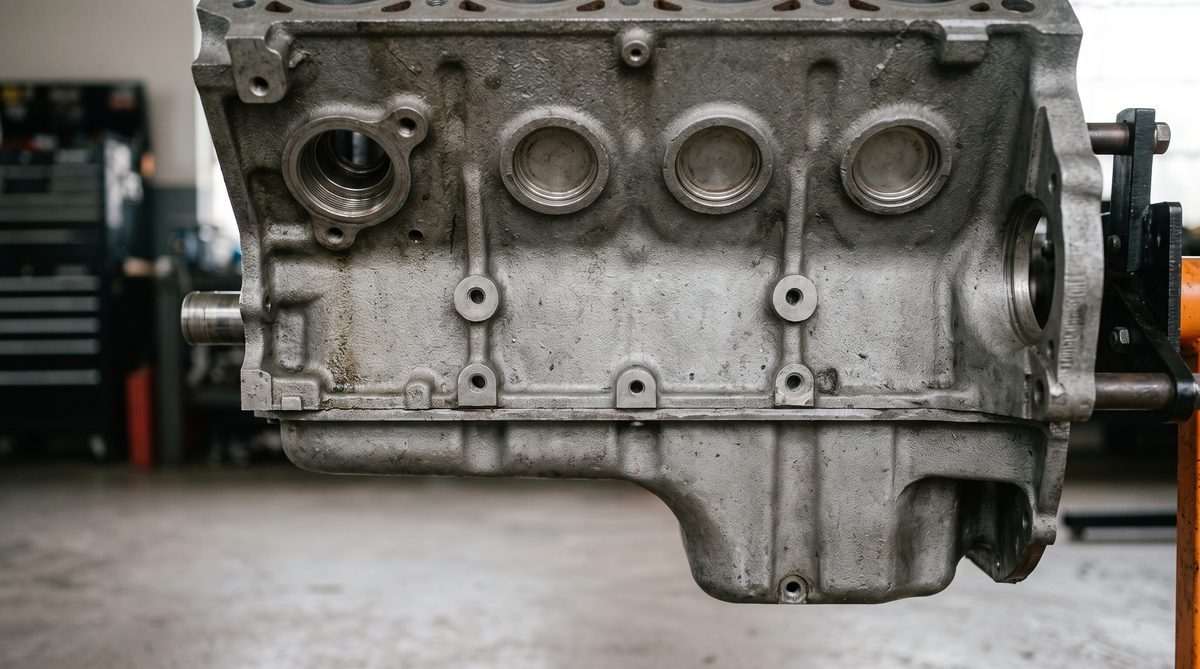
Displacement, deck height, and why it matters for your build.
Read ▸ 6 minStreet, strip, or both. How ratio changes everything.
Read ▸ 5 minWhat you gain, what you lose, and what it costs.
Read ▸ 7 minStopping a muscle car is half the build. Do it right.
Read ▸ 5 minUsually, but not always. For blue-chip cars, matching numbers can double value. For a driver-grade car you intend to modify, it matters far less than condition and how it runs.
If the car is rare and correct, originality holds value best. If it is a common model or already modified, a tasteful restomod is often the smarter, more usable path.
Later "malaise era" cars and four-door or six-cylinder variants of iconic nameplates are the value entry points. So are unloved bodies that share drivetrains with the famous ones.
An LS or Coyote swap gives modern reliability and power for the money. A period engine keeps the character and the value. Match the choice to whether you are driving it or showing it.
Check floors, trunk drops, lower quarters, and cowl. Bring a magnet and a flashlight. Fresh undercoating and mismatched panel gaps are red flags worth walking away from.
The muscle world, every morning. Auctions, builds, reveals. Free.