Nobody Wanted the Dodge Charger Daytona EV. Now It Is Cheap.
Dodge killed the R/T, cut the price, then raised it by $12,500, and the used market did something Auburn Hills never planned for.
Dodge killed the R/T, cut the price, then raised it by $12,500, and the used market did something Auburn Hills never planned for.
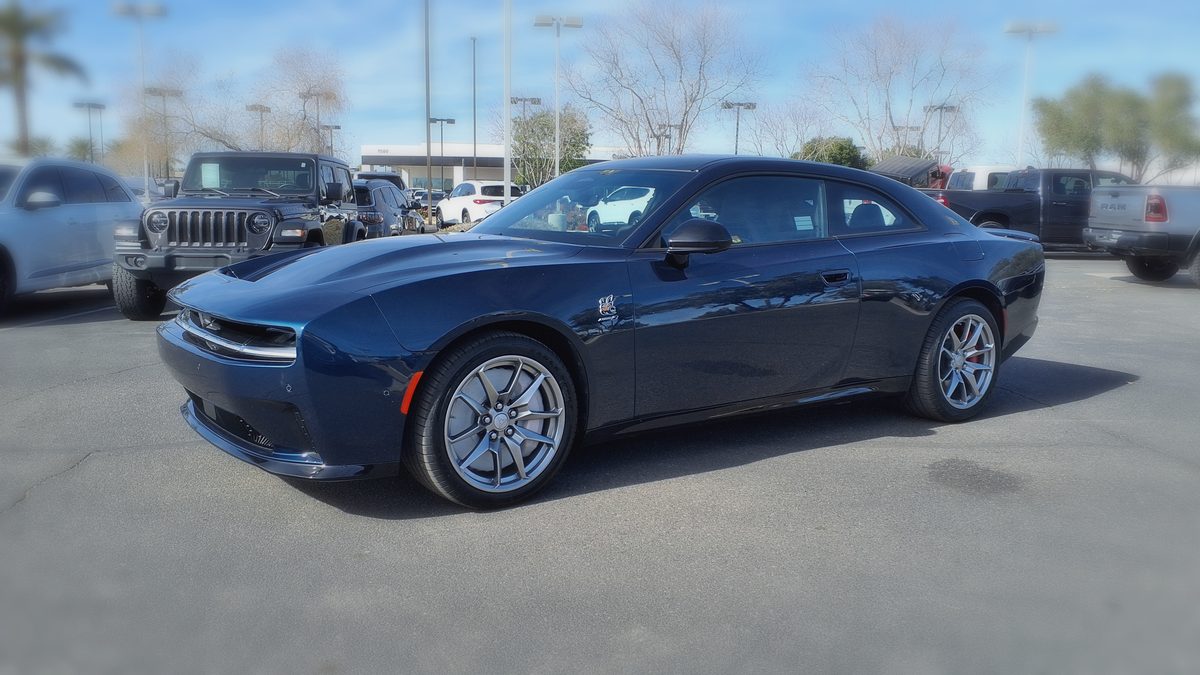
The Dodge Charger Daytona EV was supposed to be the most important muscle car of the decade. Two years on, it has instead become the most interesting used car story in America. The electric Charger has lost a trim, absorbed a price cut, taken a price hike, and watched its resale values fall hard enough that a one year old example can now be bought for less than half of what its first owner paid. That is not a rumor. That is the market talking, and it is worth telling straight.
We are not here to dance on anyone's grave. Dodge took a real swing, and there is a version of this car plenty of enthusiasts would have grown to like. But the numbers on it right now are the most dramatic in modern muscle. If you were waiting for the moment an electric Charger made financial sense, you are looking at it.
Launched for 2024 as the replacement for the departing Hemi cars, the Dodge Charger Daytona EV is a two door (later also four door) electric fastback riding on Stellantis's STLA Large platform. Both trims use a dual motor all wheel drive setup and the same 100.5 kWh battery pack, of which roughly 93.9 kWh is usable. It is 207 inches long, 80 inches wide, and the Scat Pack weighs 5,767 pounds. That is Hemi Charger length with a good 1,300 pounds of extra mass.
Power came in stages, literally. The R/T made 456 horsepower in base form and shipped standard with the Direct Connection Stage 1 kit for 496. The Scat Pack made 590 base, 630 with Stage 1, and 670 with the Stage 2 kit that came standard on it. Look at the fender of any real Scat Pack and you will find the Scat Pack bee with a small Stage 2 script under it. That is the badge doing honest work, and it is the tell that separates the two cars at twenty paces.
The headline figures are 670 horsepower, 627 pound-feet, and 3.3 seconds to 60 mph, with quarter miles in the mid elevens. EPA range for the Scat Pack is 241 miles, dropping to 216 on the summer tire package, while the lighter R/T was rated at 308. Real world numbers have been the sore point. MotorTrend's testers struggled to clear 200 miles on a full charge, and public charging performance drew consistent criticism during the car's first two years on sale.
Pricing is where this story turns strange. The Scat Pack opened at $70,190 for 2024. For 2026, with inventory piling up, Dodge cut the sticker to $59,995 before destination, roughly $5,000 off the prior year. That looked like a company reading the room. Then the 2027 order books opened and the Charger Daytona Scat Pack came back at $72,495, an increase of $12,500 over the 2026 car for what is essentially a carryover year. The most substantial change is a NACS port that opens up the Tesla Supercharger network.
Meanwhile the gas cars went the other direction. For 2027 the Charger R/T with the twin turbo 3.0 liter Hurricane inline six holds at $49,995, and the 550 horsepower gas Scat Pack sits at $54,995. Read those three numbers together and the picture is unmistakable. A buyer walking into a Dodge store can have 550 horsepower with a gas tank for $17,500 less than the electric car parked next to it.
There is one more piece of arithmetic that changed everything. The federal $7,500 EV tax credit ended on September 30, 2025 under the One Big Beautiful Bill Act. Every bit of the Charger Daytona's early pricing story leaned on that credit. The R/T was pitched as an under $50,000 car after the credit. Strip it out and the same vehicle became a $60,000 proposition overnight, at exactly the moment the reviews were landing.
In May 2025 Dodge confirmed that the entry level R/T would not return. As reported by Motor1, Dodge CEO Matt McAlear framed it carefully: production of the Charger Daytona R/T is postponed for the 2026 model year while the company assesses the effects of U.S. tariff policy. Dealers were sitting on roughly 3,500 unsold R/T units at the time. Tariffs are a real pressure on a car built in Windsor, Ontario, but 3,500 cars gathering dust is its own kind of explanation.
That leaves one electric Charger in the showroom, the Scat Pack, at the top of the price ladder. It is an unusual place for a brand that built its identity on the idea that big power should be reachable. The whole Dodge promise, from the 1969 cars through the Demon 170 send off, was that you did not have to be rich to be fast. The current electric lineup starts at $72,495 and goes up.
Dodge spent sixty years teaching America that horsepower should be affordable. The electric Charger is the first one that forgot the second half of the sentence.
Here is the part that made the enthusiast internet sit up. Edmunds ran a 2024 Charger Daytona Scat Pack as a long term test car. They paid roughly $82,000 for it. One year and fewer than 7,000 miles later, they sold it for about $35,000. That is close to $50,000 gone on a car that barely got broken in, and it is one of the steepest single year losses any mainstream new car has posted in recent memory.
Kelley Blue Book's own one year figures tell the same story in a calmer voice. A 2024 Charger Daytona R/T coupe that stickered at $61,590 was valued around $33,900 twelve months later. The Scat Pack coupe went from $70,190 to roughly $37,500. Most electric vehicles lose close to half their value over five years. The Daytona managed it in one.
Volume explains a lot of it. The Charger Daytona sold a little over 7,000 units in 2025, a fraction of what Hemi Chargers moved in a normal year. Heavy factory incentives and lease deals landed early to clear inventory, and every discounted new car drags the used values of the ones already sold down with it. This is a standard depreciation spiral, just running at an unusual speed.
Dodge's own answer to the problem is the Charger Sixpack, the gas version powered by the twin turbo 3.0 liter Hurricane inline six in 420 horsepower standard output and 550 horsepower high output form. It is the same body, the same interior, and the same fastback shape, with a fuel filler and an exhaust note that does not come out of a speaker. For a lot of the buyers Dodge lost, that was always the car they were waiting for.
The Hurricane is a genuinely strong engine, and 550 horsepower in a car this size is no consolation prize. But it puts the electric Charger in an awkward spot inside its own showroom, asking a $17,500 premium over a cheaper, easier to live with sibling that looks identical from ten feet away. That is a hard sell in any segment and a brutal one in this crowd.
For a certain buyer, absolutely. A low mile 2024 Scat Pack in the mid thirties is 670 horsepower, all wheel drive, and a three second zero to sixty for Camaro SS money. Nothing else on the used lot does that. The first owner already absorbed the depreciation, which means the second owner is buying at something close to the car's real value rather than its launch fantasy.
Go in with your eyes open. Check that the high voltage battery warranty is intact and transferable, and confirm the service history at a dealer with actual EV technicians, because not every Dodge store has them. Budget for tires, since a 5,767 pound car on performance rubber eats them. Plan your charging honestly around 200 miles of real range rather than the 241 on the window sticker. And accept that resale from here is unknowable, which is exactly why you want to buy one that has already fallen rather than one that is still falling.
The obvious lesson is that the market decides what a muscle car is worth, not the marketing department. The less obvious one is what this does to everything parked around it. Clean Hemi era cars have firmed up since the V8 Charger went out of production, and the electric car's stumble only sharpens the contrast. Scarcity plus a soundtrack is still the formula.
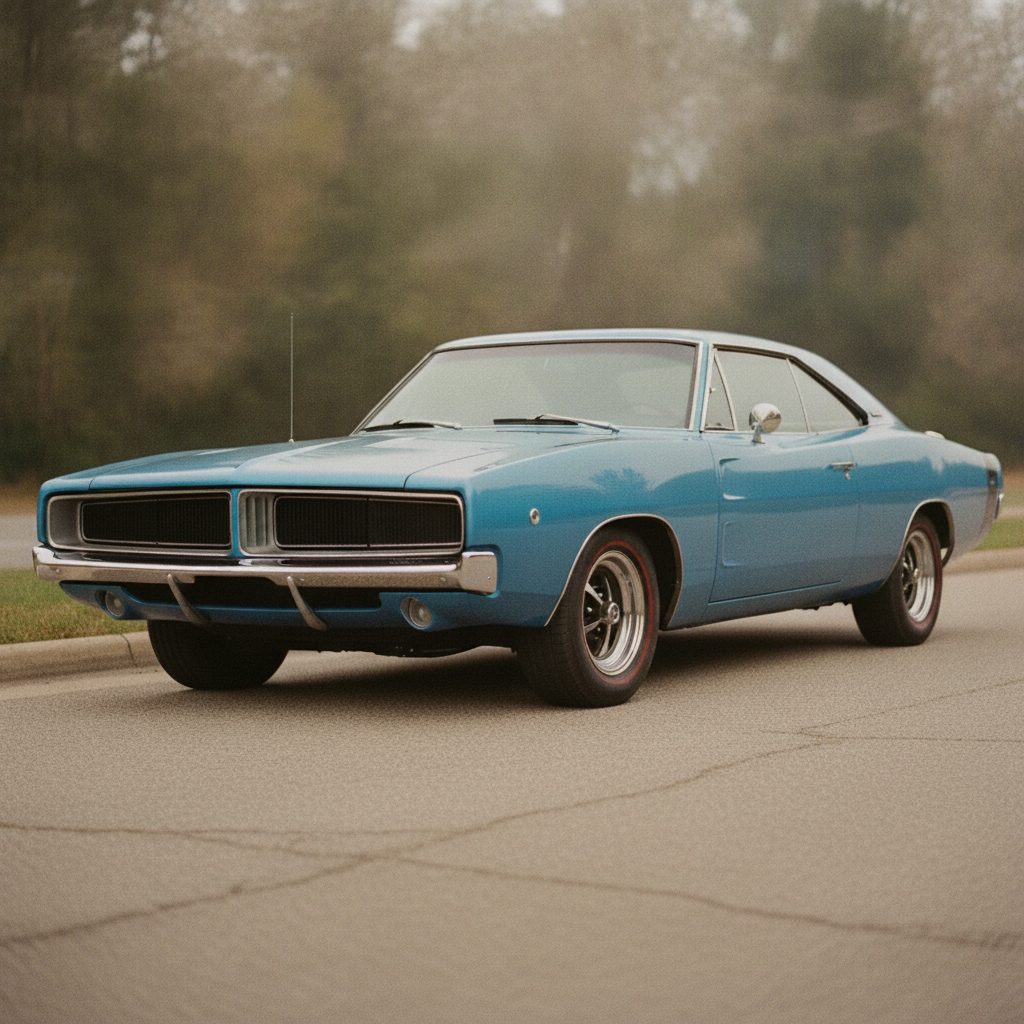
It also puts the Daytona name in an odd spot. The badge belongs to the 1969 winged Charger Daytona, a car built in tiny numbers to win at Talladega and now worth a house. Hanging that name on the slowest selling Charger in modern history was a bet on borrowed equity. For the fuller picture of where the nameplate came from, our Charger hub and the 1969 Charger year guide lay out the run that built the reputation this car is spending.
Our read is simple. As a new car at $72,495, the Charger Daytona EV is a difficult recommendation. As a lightly used car in the thirties, it is one of the most car per dollar buys in America right now. Both things are true at once, and that gap is the whole story of this model.
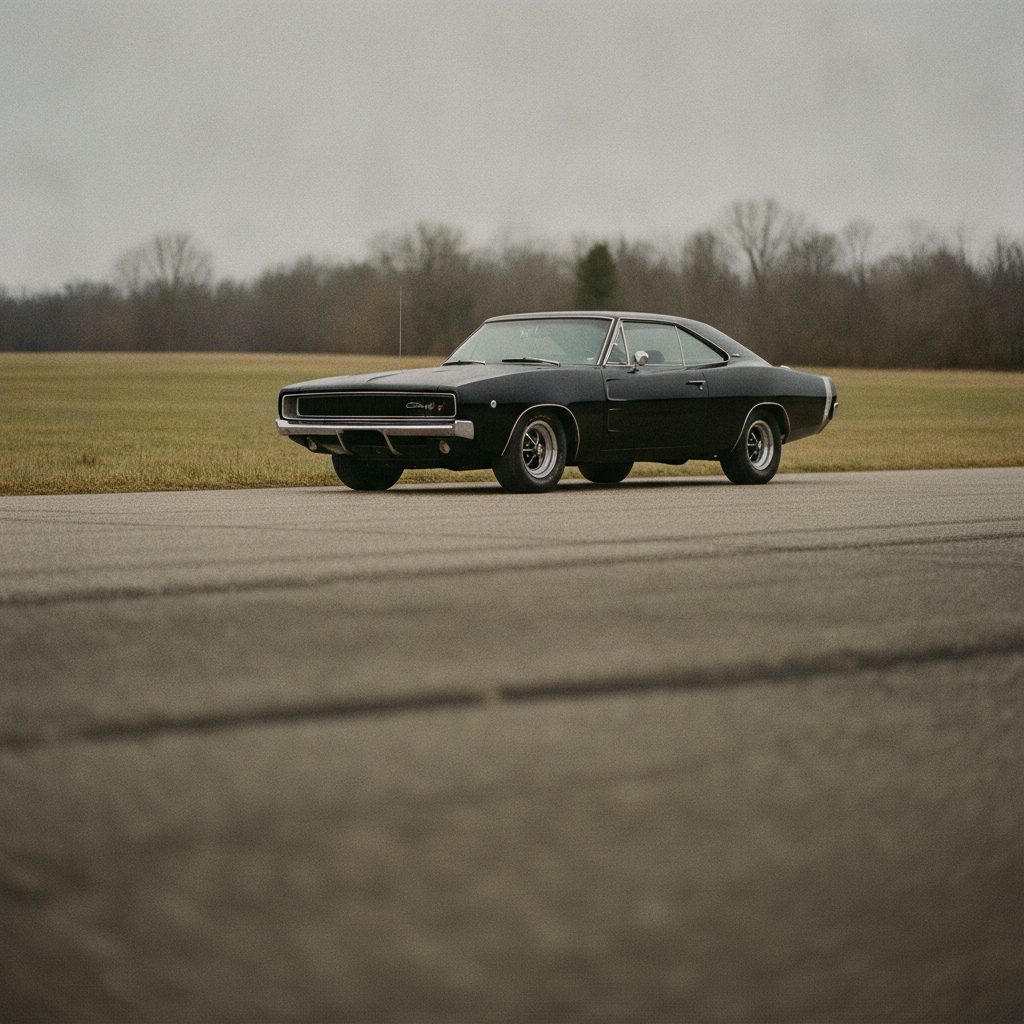
A note on the lead image: it is an illustration produced in house for this article, not a photograph of a specific car for sale. Pricing, specification and valuation figures are as reported by Motor1, Edmunds, Kelley Blue Book and MotorTrend.
Not entirely. Dodge dropped the entry level Charger Daytona R/T for the 2026 model year, officially calling it postponed while it assessed tariff policy. The 670 horsepower Scat Pack continues for 2026 and 2027. The gas powered Charger Sixpack models, with the twin turbo Hurricane inline six, now carry the bulk of the lineup.
The 2026 Charger Daytona Scat Pack starts at $59,995 before destination. For 2027 that rises to $72,495, an increase of $12,500 for a largely carryover car. Used prices are far lower. One year old 2024 examples have been valued in the mid thirties, with some selling for roughly half their original sticker.
Off the line, yes. The Scat Pack's 670 horsepower and all wheel drive get it to 60 mph in about 3.3 seconds, quicker than a 717 horsepower Hellcat Charger. Down the quarter mile the gap closes and the Hellcat pulls back, running low elevens against the electric car's mid elevens.
No. It has been one of the worst depreciating new cars on the market. Edmunds bought a 2024 Scat Pack for around $82,000 and sold it a year later for about $35,000 with under 7,000 miles. Kelley Blue Book shows similar one year losses across both trims.
The muscle world, every morning. Auctions, builds, reveals. Free.