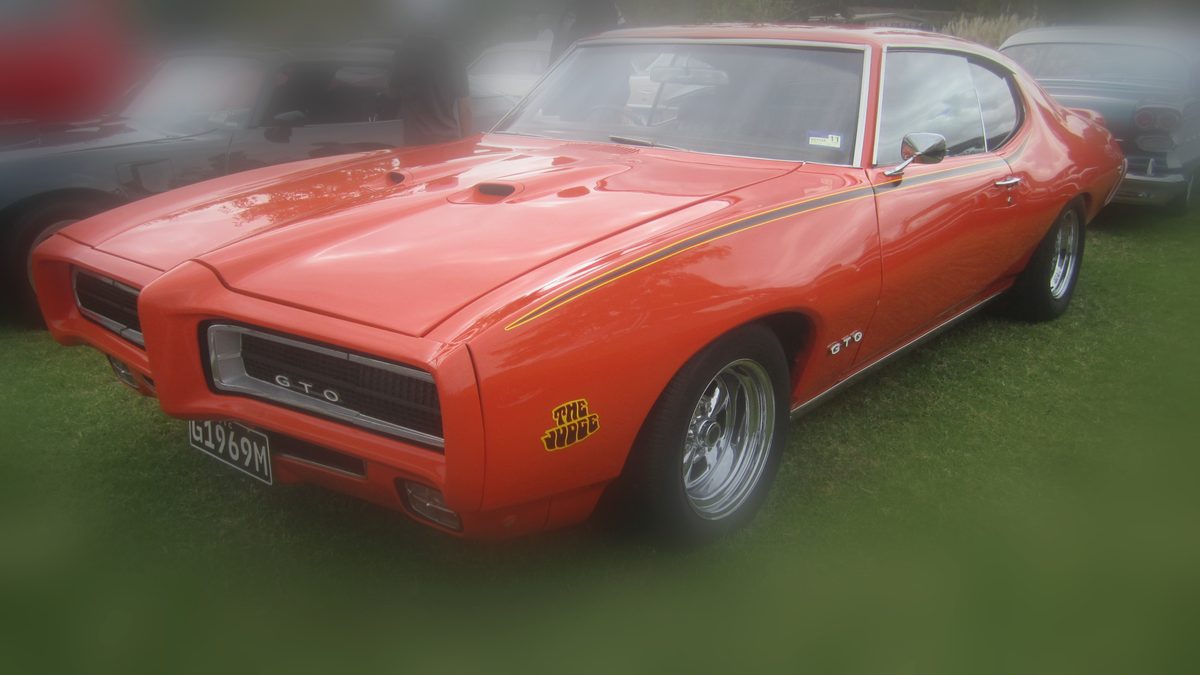
The 1967 Pontiac GTO Restomod, Perfected
How one boxed-up barn-find Goat became an EFI, Ram Air street machine, and what that build teaches everyone else.
How one boxed-up barn-find Goat became an EFI, Ram Air street machine, and what that build teaches everyone else.
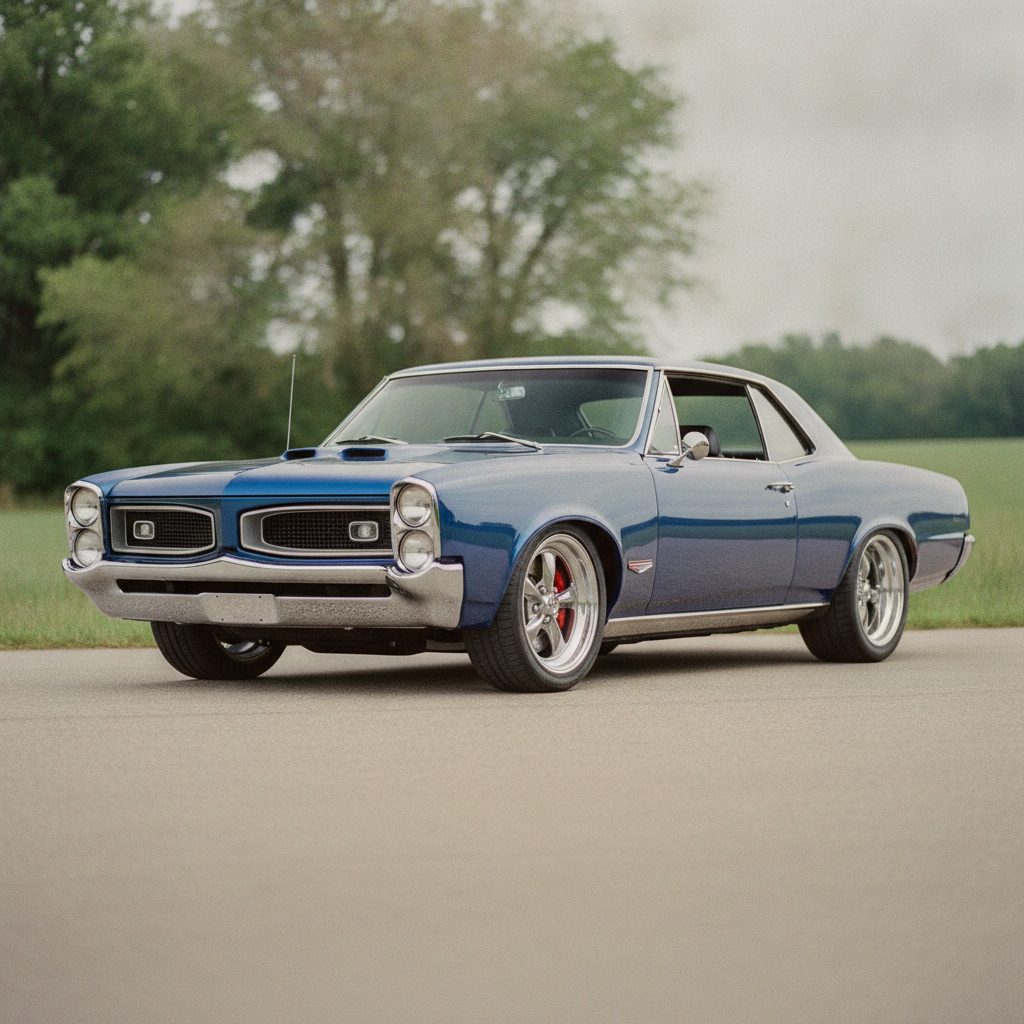
A first-generation GTO is the muscle car people picture when they close their eyes, and the 1967 Pontiac GTO restomod is what happens when that picture gets a modern brain. Take the Coke-bottle lines, the stacked headlights, and the split grille, then quietly swap in fuel injection, real brakes, and a rear axle that will not grenade at a stoplight. The result looks period-correct from ten feet away and drives like something built this decade. One of the best documented examples of that exact recipe started life as a boxed-up barn find.
The Goat has always been the honest muscle car. Pontiac built the 1966 and 1967 GTO on the A-body platform with a long hood, a short deck, and enough attitude to kick off the whole muscle era a couple of years earlier. The 1967 car refined the theme with a new wire-mesh grille, a revised tail panel, and the option that mattered most under the hood: a 400 cubic inch V8 that replaced the outgoing 389. It was quick for its day. It also stopped, steered, and rode like a 1967 car, which is exactly the gap a restomod is built to close.
Builders keep coming back to the 1967 Pontiac GTO restomod for a handful of practical reasons. The body is clean and uncluttered, so it takes modern wheels and a lower stance without looking fussy. The engine bay was designed around a big Pontiac V8, which means there is room for a warmed-over motor, a modern cooling package, and EFI without cutting the car apart. Parts support is deep, since the GTO shares its A-body underpinnings with the Le Mans, the Chevelle, and other GM intermediates. And the styling is timeless enough that nobody ever questions why you spent the money.
Compare that to a numbers-matching restoration, where every deviation from factory spec costs value. A restomod flips the logic. You keep the sheet metal and the silhouette, then upgrade everything a modern driver actually feels. If you want the concours version of the story, our look at the Judge and its quarter-mile record covers the factory hardware in detail. See the Judge's record run for that side of the GTO. The restomod path is a different goal entirely, and it is the one most owners actually want to live with.
The clearest end-to-end example on the internet belongs to Deboss Garage, the shop run out of Canfield, Ontario that has built a following of more than 800,000 subscribers. Their full 1967 GTO restoration timelapse compresses a multi-year build into about twenty minutes, and the complete series lives on the Deboss Garage channel. It is worth watching before you ever hand over money for a project of your own.
The car arrived as a disassembled barn find. The previous owner had already torn it down, and it came with boxes of new parts and a freshly rebuilt Pontiac 400. Deboss Garage took it the rest of the way. The finished GTO wears what the shop calls a 455 EFI Ram Air conversion, with a Holley Sniper self-tuning throttle-body injection system standing in for the old Quadrajet carburetor. From there the build reads like a checklist of everything a first-generation A-body needs to be genuinely usable today.
A restomod is not about hiding the old car. It is about keeping everything you love to look at and fixing everything you hate to drive.
That philosophy shows up in the parts list. The Deboss build added a front disc brake conversion, an Eaton posi unit in the rear, an aluminum radiator with dual electric fans, a fresh hydraulic camshaft, a new steering box, custom rolling stock, and a full stainless exhaust. None of it is exotic. All of it, added together, is the difference between a car that sits in a heated garage and a car that actually gets driven on a Saturday morning.
Engine choice is where most 1967 GTO restomod builds split into two camps. The purist path keeps a Pontiac V8, either the original 400 or a later 455 pulled from a full-size Pontiac. Pontiac blocks share a common architecture, so a 455 drops into the same mounts and looks correct at a glance. Torque is the reward. A built Pontiac 455 makes big, lazy low-end grunt that suits a heavy A-body and a sensible rear gear far better than a peaky small-block ever could.
The other camp goes LS. A modern GM LS swap is lighter, cheaper to make reliable horsepower with, and endlessly supported by the aftermarket. It also erases the sound and the underhood look that make a Pontiac a Pontiac. There is no wrong answer here, only a values question. Keep it Pontiac and you keep the soul of the car. Go LS and you inherit the maintenance schedule of a new truck. The Deboss car kept the Pontiac iron, which is a big part of why it still barks like a Goat should.
The single biggest driveability upgrade on a first-generation GTO is not horsepower, it is fuel delivery. A self-tuning EFI system like the Holley Sniper bolts onto a standard four-barrel intake and replaces the carburetor with throttle-body injection that learns as you drive. Cold starts stop being a ritual with a choke and a prayer. Altitude and weather stop mattering. The engine idles, transitions, and cruises the way a modern V8 does, and you keep the classic look because the whole unit hides under a normal air cleaner.
Ram Air is the other period-correct trick. Pontiac's factory Ram Air setup fed cold outside air to the carburetor through functional hood scoops, and a restomod conversion recreates that path with modern sealing. It is worth real power on a warm day and it looks exactly right on a 1967 hood. Pair EFI with a mild hydraulic cam and a good exhaust, and the car makes usable, tractable street power everywhere in the rev range instead of only near redline.
Nobody thinks about a restomod's brakes until the first time they really need them. Factory GTOs left the line with front drums, which fade fast and pull under hard stops. A front disc conversion, and ideally a four-wheel disc setup, is the first check most serious builders write. It is cheap insurance against the worst afternoon of your life, and it completely transforms how confident the car feels in modern traffic.
Suspension is next. The A-body responds well to modern tubular control arms and a set of springs and shocks tuned for the real weight of the car. Add a rear anti-roll bar and the GTO stops leaning through corners like a boat. Behind all of it, the rear axle needs help. A limited-slip differential, like the Eaton posi in the Deboss build, puts both tires to work instead of frying one. Firebird fans will recognize the same playbook from our Trans Am and Firebird story, because the F-body and the A-body share far more than a badge.
Budget is the conversation nobody enjoys and everybody needs. A driver-quality 1967 GTO restomod can be assembled over time by a patient owner doing the work in a home garage, which is exactly the path the Deboss series documents so well. A turnkey, shop-built car with a fresh Pontiac motor, EFI, four-wheel discs, a modern interior, and show-quality paint sits at the far other end of the scale, and finished examples routinely trade for strong money at auction. The direction is clear even without quoting exact figures: the sheet metal is the cheap part, and the last ten percent of finish and fit costs the most by a wide margin.
So the smart move is simple. Buy the best, straightest body you can afford, then spend your money on the parts you feel every single time you drive it: the brakes, the fuel system, the seat, and the steering. Everything else can wait. Explore the rest of the first-generation GTO hub for more on the models, the engines, and where the money really goes.
Most 1967 Pontiac GTO restomods keep a Pontiac V8, either the original 400 or a swapped-in 455, because it drops into the factory mounts and looks correct under the hood. The other popular route is a modern GM LS swap for lighter weight and easy power. Both are common. The choice comes down to whether you want Pontiac character or modern convenience.
There is no single number. A patient owner building a driver over several years spends far less than a shop delivering a turnkey car with a fresh motor, EFI, four-wheel discs, and show paint. Finished pro-touring GTOs regularly bring strong prices at auction. Buy the best body you can find and budget for the upgrades you actually feel from the driver seat.
It depends on the specific car. A rare, numbers-matching factory GTO can be worth more left untouched, since originality drives that end of the market. A common-spec GTO usually gains both usability and value as a well-built restomod. The rule of thumb is simple: never cut up a documented rare car, and restomod the plentiful ones without guilt.
Ram Air was Pontiac's factory system that fed cold outside air to the engine through functional hood scoops, and it came on the hottest GTOs of the era. On a restomod, a Ram Air conversion recreates that cold-air path with modern sealing and pairs naturally with EFI. It adds a little power and looks exactly right on a 1967 GTO hood.
The muscle world, every morning. Auctions, builds, reveals. Free.