What Is a Muscle Car? Settling the Argument
The clean formula that tells a real muscle car apart from a pony car, a sports car, and a whole lot of wishful thinking.
The clean formula that tells a real muscle car apart from a pony car, a sports car, and a whole lot of wishful thinking.
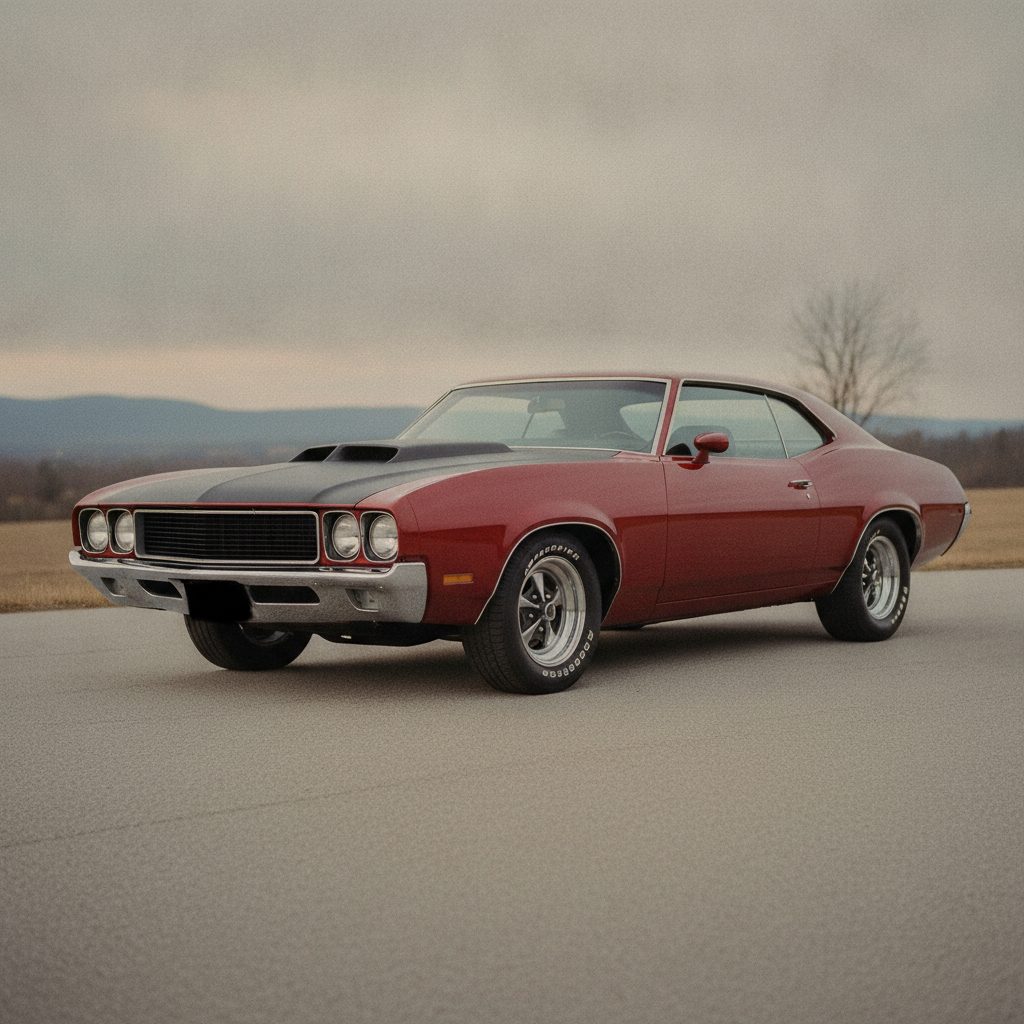
Ask ten people what is a muscle car and you will get ten answers, most of them loud and about half of them wrong. Someone points at a Corvette. Someone else swears a four-cylinder Mustang counts because it wears the right badge on the fender. The real answer is simpler and stricter than the internet lets on, and once you know the formula you can walk any car show and sort the genuine article from the pretenders in about three seconds flat.
So here is the clean version, the one that has held up for sixty years. A muscle car is an American, mid-size, two-door car fitted with a big, powerful V8 that cost a fraction of what that kind of speed used to cost. Take a family-size body, drop in the largest engine the company builds, keep the sticker within reach of a working buyer, and aim the whole thing at a quarter-mile of straight pavement. That is the recipe. Everything after that is detail and argument.
The definition survives because every classic that earns the name checks the same four boxes. First, it is an American production car, built by Detroit for the street rather than a race series. Second, it wears a mid-size body, not a full-size boat and not a tiny economy shell. Third, it carries an oversized V8, usually a big-block, shoehorned into a chassis that was never engineered to hold that much engine. Fourth, it sold at a price a regular person could actually finance. Miss even one of those and you have something else in your driveway: a sports car, a pony car, a luxury cruiser, or a backyard hot rod.
That trick of putting a big engine in a relatively light body is the entire point, and it is worth understanding why raw displacement mattered so much back then. We break the engine side of the story down in our guide to big block versus small block V8s, because the big-block is what gave these cars both their reputation and their unmistakable sound. Cubic inches were the currency of the era, and Detroit spent them freely.
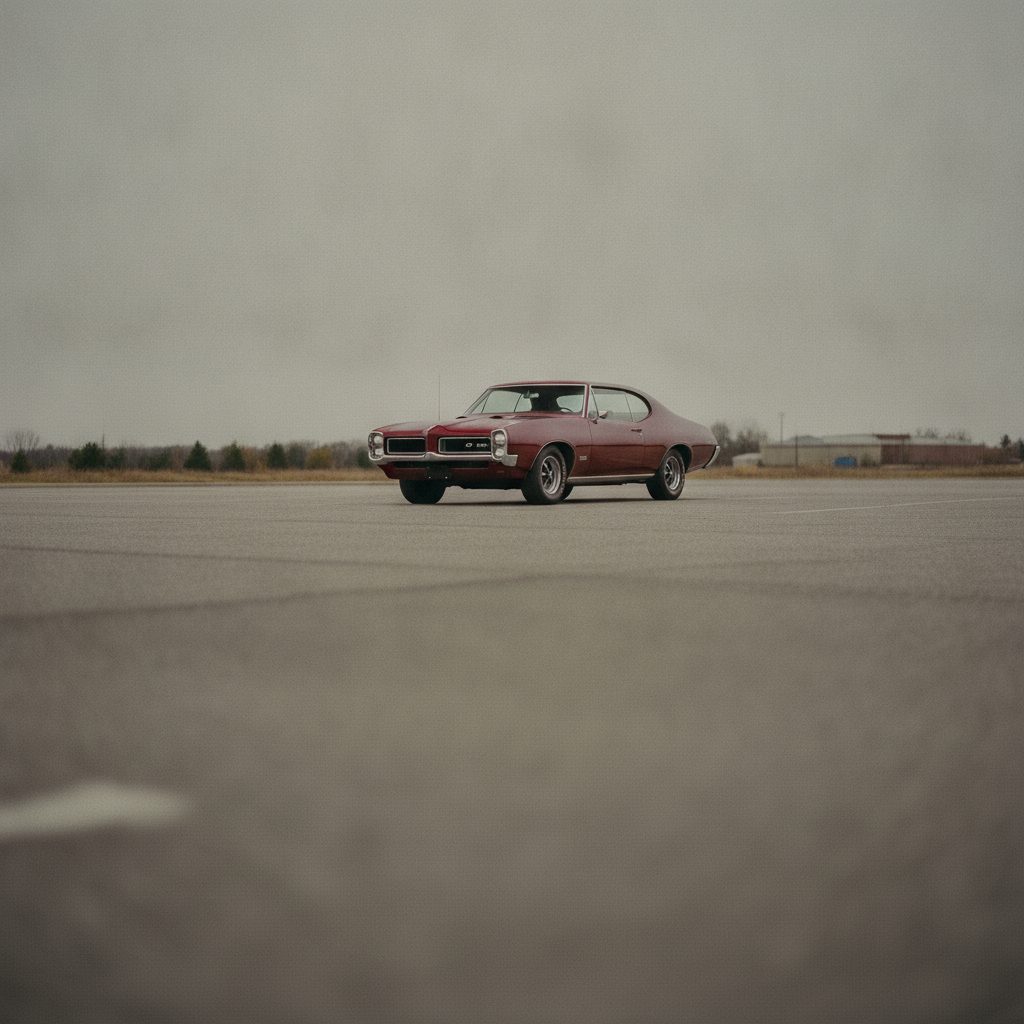
Most historians put the first true muscle car at the 1964 Pontiac GTO. Pontiac took its mid-size Tempest, quietly ignored a corporate rule that capped engine size in that body class, and bolted in a 389 cubic inch V8. It was a loophole with chrome bumpers, and it outsold every projection the division had. The rest of Detroit scrambled to answer it within a single model year. You can trace the whole idea back to that one decision, which is why the Pontiac GTO gets credit as the car that lit the fuse.
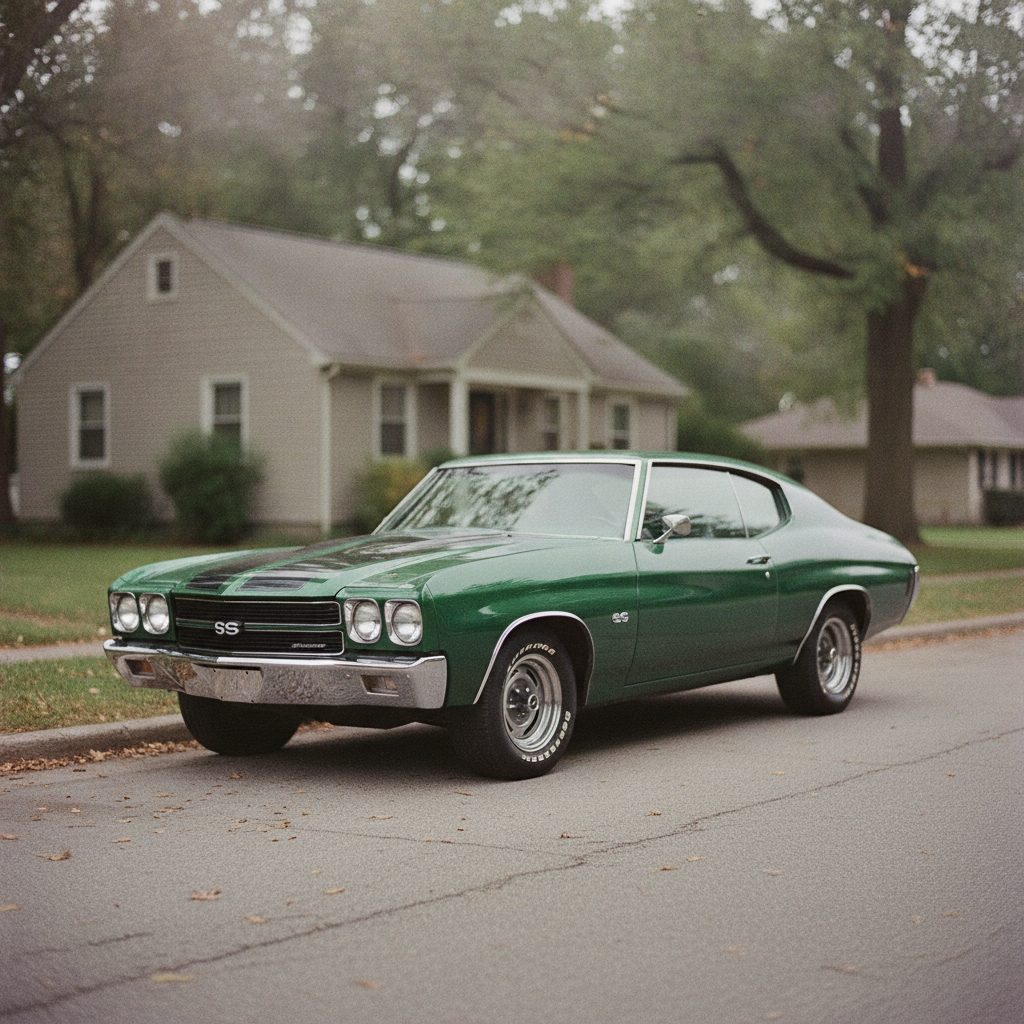
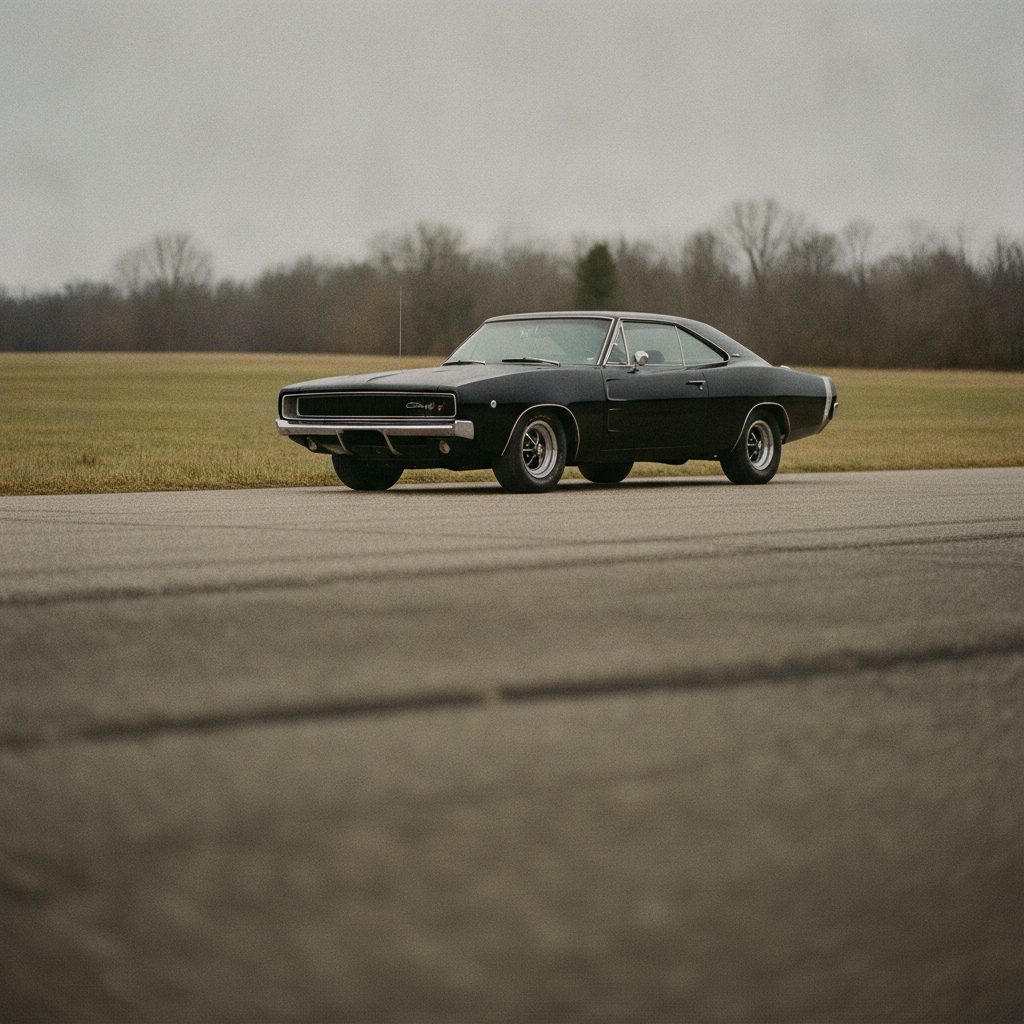
The formula spread like a grass fire. Oldsmobile countered with the 442, Buick with the Gran Sport, Chevrolet with the Chevelle SS, and Chrysler rolled out a whole armory of Road Runners, Chargers, and Super Bees. By the late sixties every make in Detroit was building one, and the factory horsepower ratings climbed every single autumn as the divisions tried to out-muscle each other on the showroom floor.
The classic muscle car era runs from that 1964 GTO to roughly 1973, and it burned hot the entire way. Compression ratios crept upward, camshafts got wilder, and factory ratings that started around 300 horsepower pushed past 400 and kept going. The high-water mark is easy to point at. Chevrolet's LS6 454 landed for 1970 rated at 450 horsepower, a number that still sounds serious today, and we walk through why that engine sits at the very peak of the breed in our piece on the 1970 Chevelle LS6.
Then it ended almost overnight. Insurance surcharges aimed squarely at young men in high-horsepower cars, tightening federal emissions rules, and the 1973 oil shock all landed at once and strangled the big engines. Compression dropped, net power ratings fell off a cliff, and by the middle of the decade the same proud nameplates were shadows of what they had been. The window was genuinely short, which is exactly why the real survivors command the money they do at auction now.
A muscle car was never about handling or top speed. It is about the violence of the launch, the way a big V8 loads the rear tires and turns a stoplight into a fair fight.
This is where most of the arguments start, so let us settle it plainly. A pony car is a smaller, sportier body style named after the Mustang that started the trend: long hood, short deck, and a wide menu of engines running from mild sixes to monster V8s. A base Mustang or Camaro is a pony car, not a muscle car. Bolt a big-block into that same pony car, though, and you have built a muscle car, which is why a Boss 429 Mustang or an SS 396 Camaro absolutely qualifies. The engine under the hood, not the badge on the fender, is what decides it.
A sports car is a different animal entirely. Sports cars are engineered to turn, brake, and balance, usually two-seaters with smaller engines and a focus on carrying speed through a corner. A muscle car is built to go straight and go hard, full stop. That is why a Corvette sits in the sports car column even though it is fast and proudly American: it was designed for the road course, not the drag strip, and that mission is the whole difference.
By the traditional definition, yes. The muscle car is an American idea, born from cheap gas, wide open roads, and a flat-out horsepower war between Detroit factories. Australia built its own take with the Falcon GT and the Valiant Charger, and enthusiasts down there will argue the point with real conviction, but in the United States the term stays welded to Detroit iron from the classic era. Imports with big engines tend to get filed under performance cars, grand tourers, or sports sedans instead. It is a cultural label as much as a technical one, and the culture was unmistakably American.
The badge survived the lean years, and so did the spirit behind it. The Dodge Challenger and Charger, the Chevrolet Camaro, and the Ford Mustang all carried the torch into the 2000s with supercharged and naturally aspirated V8s that would have flatly embarrassed anything built in 1970. The wildest examples are the Dodge Demon and the cars that followed it, street-legal machines running single-digit quarter-mile times straight off the factory line. We cover the sharpest tip of that spear in our look at the Dodge Demon 170.
Purists argue that modern cars handle far too well to be real muscle cars, and there is honestly something to that complaint. A new Challenger will run a road course a 1970 model could only dream about. But the core formula still holds true: American, big V8, brutal straight-line speed, and sold to the ordinary public rather than a race team. The suspension got a lot smarter over the decades. The fundamental mission never changed one bit.
A muscle car is an American, mid-size, two-door production car fitted with a large, powerful V8 and sold at a price ordinary buyers could afford. It is built for straight-line acceleration rather than cornering. Miss the oversized engine or the affordable mid-size body and it quietly stops being a muscle car.
The name comes from the raw muscle of the engine itself. These cars paired an oversized V8 with a relatively light mid-size body, so the power-to-weight balance felt physical and violent off the line. Car writers in the 1960s reached for the word muscle to describe that brute force, and the label simply stuck for good.
The Mustang is the original pony car, a smaller sporty body offered with a huge range of engines. In base form it is a pony car, not a muscle car. Fitted with a big-block V8, like the Boss 429 or the 428 Cobra Jet, it crosses the line and earns full muscle car status on engine alone.
No, the Corvette is a sports car. It is American and genuinely fast, but it was engineered as a two-seat road-course machine built to corner, brake, and balance with precision. A muscle car is a mid-size, big-engine car built for straight-line speed. The Corvette wins on handling, and that focus is exactly what keeps it out of the category.
The muscle world, every morning. Auctions, builds, reveals. Free.