The Best Project Cars for Beginners Wear V8s
Every beginner list points at a Miata. Here is the American iron that teaches the same lessons and sounds considerably better doing it.
Every beginner list points at a Miata. Here is the American iron that teaches the same lessons and sounds considerably better doing it.
Search for the best project cars for beginners and you get the same five answers from every corner of the internet: Miata, Civic, Fox body, 86, E36. Four of those are fine cars. Only one of them is going to teach you anything about the kind of car you actually want. If the point of a first project is learning to work on the thing you love, and the thing you love has eight cylinders and a carburetor, then starting with a front wheel drive hatchback is a detour.
The good news is that American V8 iron is genuinely beginner friendly, and for reasons that have nothing to do with nostalgia. The engine bays are cavernous. The parts catalogs are effectively bottomless. The systems are simple enough that you can understand all of them, which is the single most underrated quality in a first car. Here is how to pick one, and where the traps are.
Four things decide whether a first project finishes or rots in a driveway, and none of them is horsepower.
Parts support comes first. You want a car where every part you will ever need is on a shelf, brand new, from three suppliers, at a price you can look up before you commit. Room to work comes second. A small block sitting in a full size engine bay with a foot of daylight around it is a car you can learn on, and you can reach every plug without removing anything. Simplicity comes third. One computer or no computer, a wiring harness you can trace end to end, a fuel system you can diagram on a napkin. And finally, a community. When you get stuck at eleven at night, and you will, somebody has already posted the answer with photographs.
Notice that price is not on the list. The cheapest car is almost never the cheapest project, because you pay for the difference in body work, and body work is the one job a beginner cannot do in a weekend with hand tools. If your budget is the binding constraint, our guide to the cheapest muscle cars worth owning sorts the field by honest price band first.
The 1979 to 1993 Mustang is the default answer for a reason. The 5.0 in the 1987 to 1993 cars was rated at 225 horsepower, it responds to basic bolt ons in a way you can feel from the driver's seat, and the aftermarket treats it like a current model year. Every panel, every bushing, every trim clip is reproduced.
More importantly it is a car you can learn the whole discipline on. You can pull the intake in an afternoon, you can trace the entire EFI harness, and the suspension is simple enough that changing springs and control arms teaches you what those parts actually do rather than just what a catalog claims. Prices on clean cars have climbed, but rough five liter cars and four cylinder shells are still everywhere, and the Mustang parts economy means neither one is a dead end.
The catch: rust in the torque boxes and floor pans, and a chassis that flexes enough that a convertible with tired subframe connectors will feel like two cars bolted together. Check the strut towers before you fall in love.
The 1982 to 1992 Camaro and Firebird are the bargain of this list and probably always will be, because they sat in the shadow of the cars on either side of them. That is exactly why they are a good first project. Nobody is watching, the entry price is low, and the mechanical lessons are identical to the ones a more expensive car teaches.
The tuned port cars run and drive well once sorted, and the platform takes a junkyard drivetrain swap more readily than almost anything else of the era. If that is the direction you are leaning, our piece on the junkyard 5.3 swap covers what that path really costs in parts and patience.
The catch: hatch leaks that soak the rear floor, T tops that do the same to the front, and interior plastics that no longer exist in good condition at any price. Buy the car with the best interior you can find, because that is the part you cannot fix cheaply.
From 1978 to 1988 General Motors built the Malibu, Monte Carlo, Cutlass Supreme, Regal and Grand Prix on one rear wheel drive chassis. They share suspension geometry, brakes, rear ends and enormous amounts of hardware, which means the parts supply is far deeper than the sales numbers for any single model would suggest.
For a beginner this is close to ideal. Body on frame simplicity, a huge engine bay, a live rear axle you can rebuild on jack stands, and a car that looks like a proper 1980s street machine when you are done. Avoid the Buick Grand National unless your budget has a different shape entirely, because the turbo cars left the affordable category years ago.
The cheapest car on the lot is almost never the cheapest project. You pay the difference in body work.
If you want a genuine 1960s or 1970s car rather than an 1980s one, the compacts are where the sane money goes. The 1968 to 1974 Chevrolet Nova and the Plymouth and Dodge A bodies, the Dart, Duster and Valiant, were built in enormous numbers, use small block V8s that are the best documented engines in America, and are reproduced down to the sheet metal.
They also teach the older skills that a 1980s car will not: setting points or converting to electronic ignition, tuning a carburetor by ear and vacuum gauge, adjusting drum brakes, setting a rear end. Those skills transfer to every classic you will ever own. When it comes time to modernize the stopping distance, a front disc brake conversion is one of the best first upgrades on any of them.
The catch is rust, and it is a serious one. Check the rear frame rails on a Nova and the rear window channel and trunk drop offs on an A body. These are unibody cars, so structural rust is not a panel you replace, it is a decision about whether the car is a project or a parts donor.
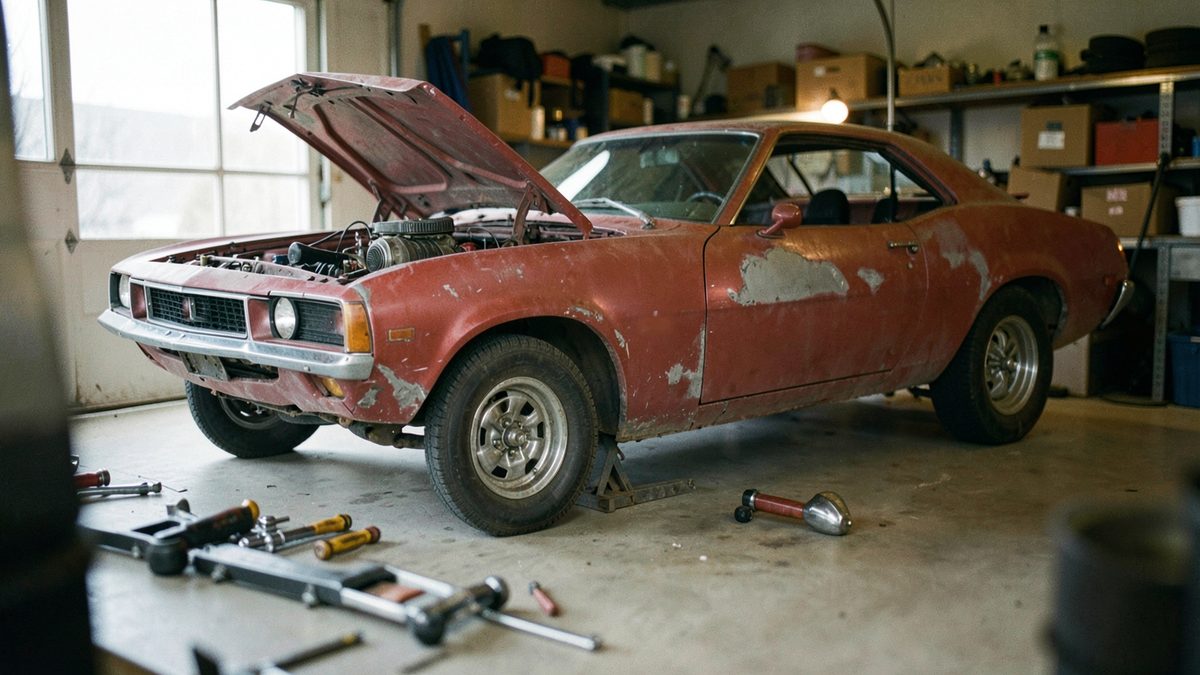
Here is the thing every beginner list leaves out. For a first project, mechanical condition barely matters and body condition matters enormously. A seized engine is a solved problem: you buy another one, and you will learn more installing it than you would have rebuilding the original. Structural rust is not a solved problem. It requires a welder, a way to hold the body square while you cut the floor out of it, and the judgment to know what is load bearing.
So the rule is simple. Buy the driest, straightest car you can find and let the mechanical condition be as bad as the price demands. A rust free non runner beats a rusty runner every time, and it is the one piece of advice that will save a first timer the most money and the most heartbreak.
Bring a magnet and a flashlight, get on the ground, and look at the floor from underneath rather than through the carpet. Bubbling paint above a seam means the metal behind it is already gone.
Purchase price is the smallest number in the equation, which is the part nobody wants to hear. Whatever you pay for the car, plan on spending at least that again on the things you did not budget for: tires that are older than they look, a fuel system full of varnish, brake lines, a battery, a radiator, and the special tool you need on a Sunday.
The tooling itself is less frightening. A decent socket set, a torque wrench, a floor jack and a pair of proper jack stands cost less than a single shop visit, and they are a one time purchase that outlives the car. Add a timing light and a multimeter and you can diagnose most of what an older V8 will throw at you.
Where beginners lose money is scope. The car that gets finished is the one with a defined goal: make it run, make it stop, make it safe, drive it for a season, then decide. The car that never gets finished is the one that was going to be a full rotisserie restoration from day one. Pick a first project you are allowed to drive while it is ugly, because driving it is the thing that keeps you working on it.
For a V8 budget, a Fox body Mustang or a third generation Camaro or Firebird. Both have deep parts support, roomy engine bays, simple systems and enormous online communities. Pick whichever specific car you find in the driest, straightest condition, because body condition matters far more than mechanical condition on a first build.
Under ten thousand dollars the third generation Camaro and Firebird, the GM G body cars and rougher Fox body Mustangs all sit comfortably in range, and a solid Nova or Dart shell can too. That budget buys a much better car in the 1980s platforms than it does in the 1960s ones, which is the trade you are making.
Yes, with one condition: buy a rust free example. Classic V8 cars are mechanically simpler than anything modern and completely reproduced, which makes them excellent teachers. What defeats beginners is structural rust, because repairing it needs welding equipment and skills that a first project should not require.
Budget at least as much again as the purchase price for consumables, wear items and surprises, and more if the car needs paint or body work. Tools are a smaller and one time expense. The single biggest cost driver is scope, so define a finish line you can reach in one season and expand from there.
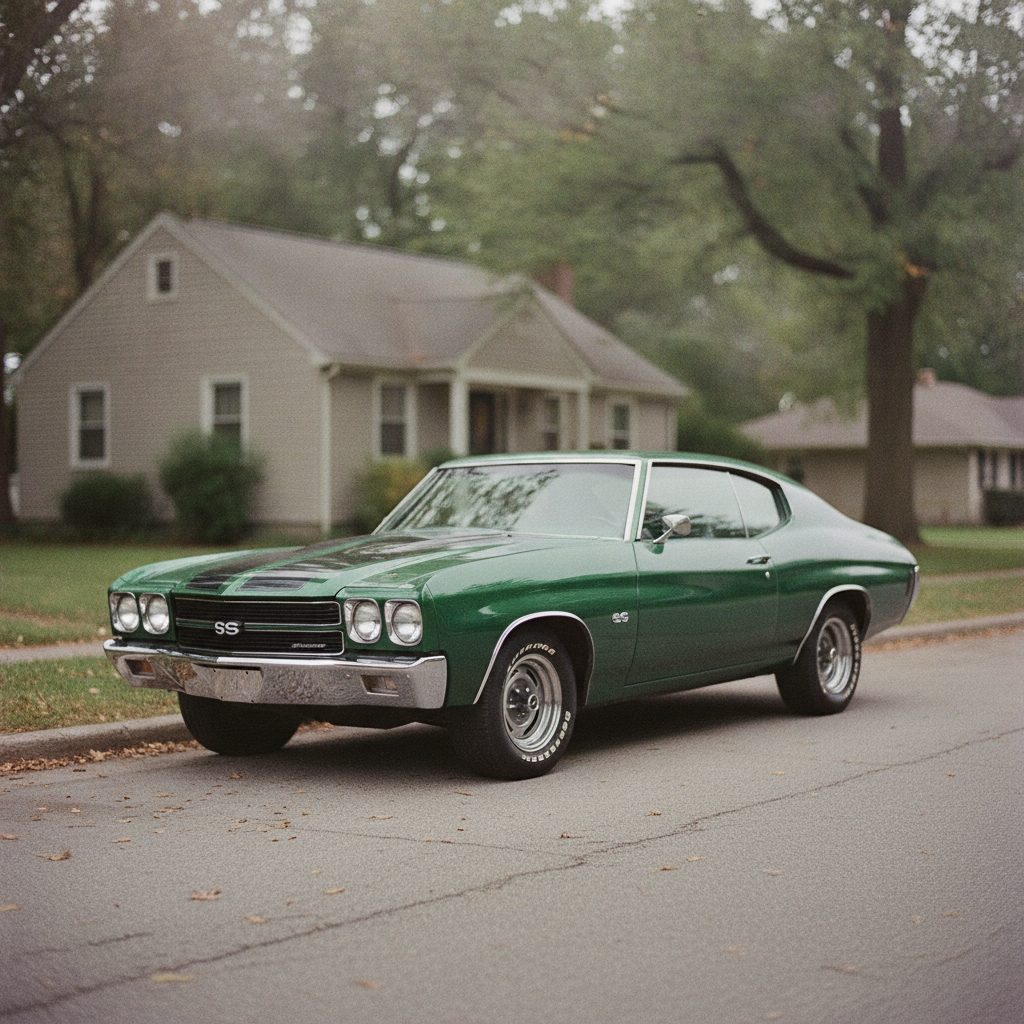
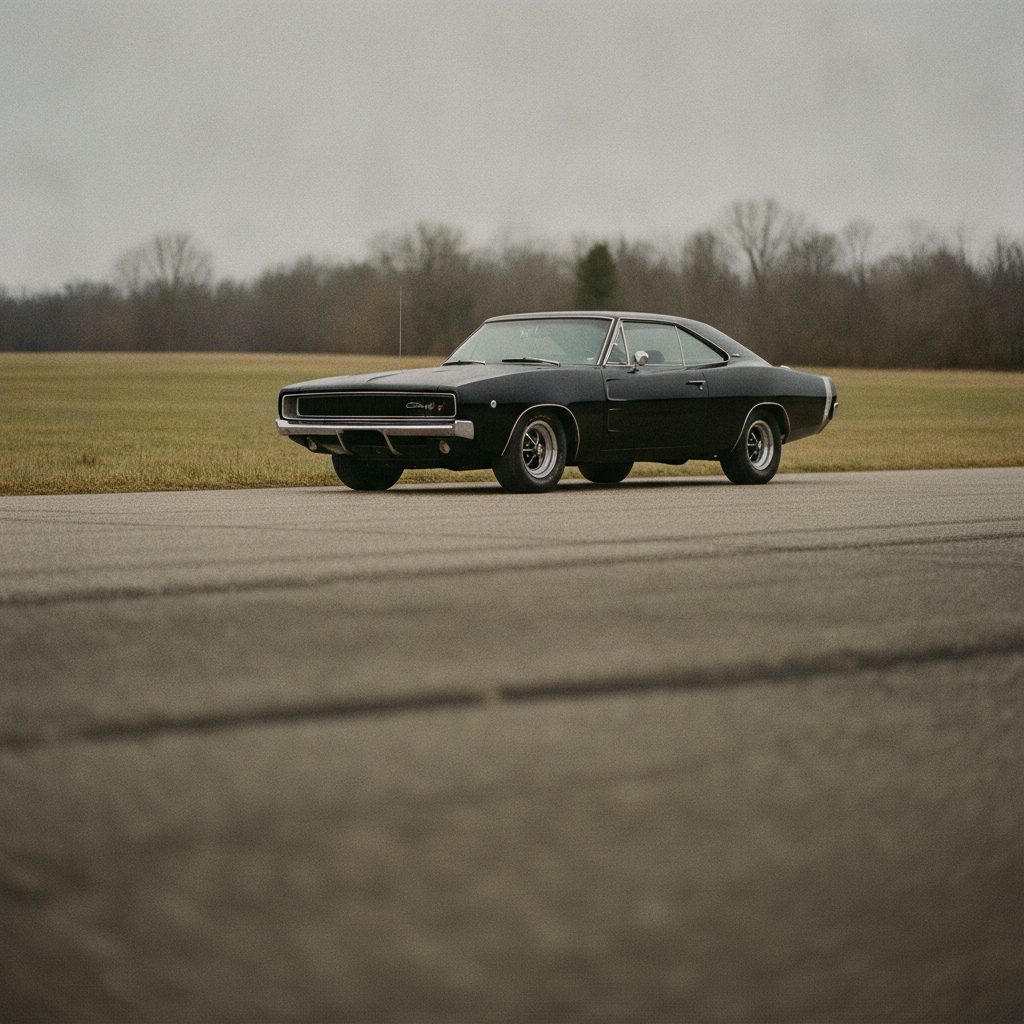
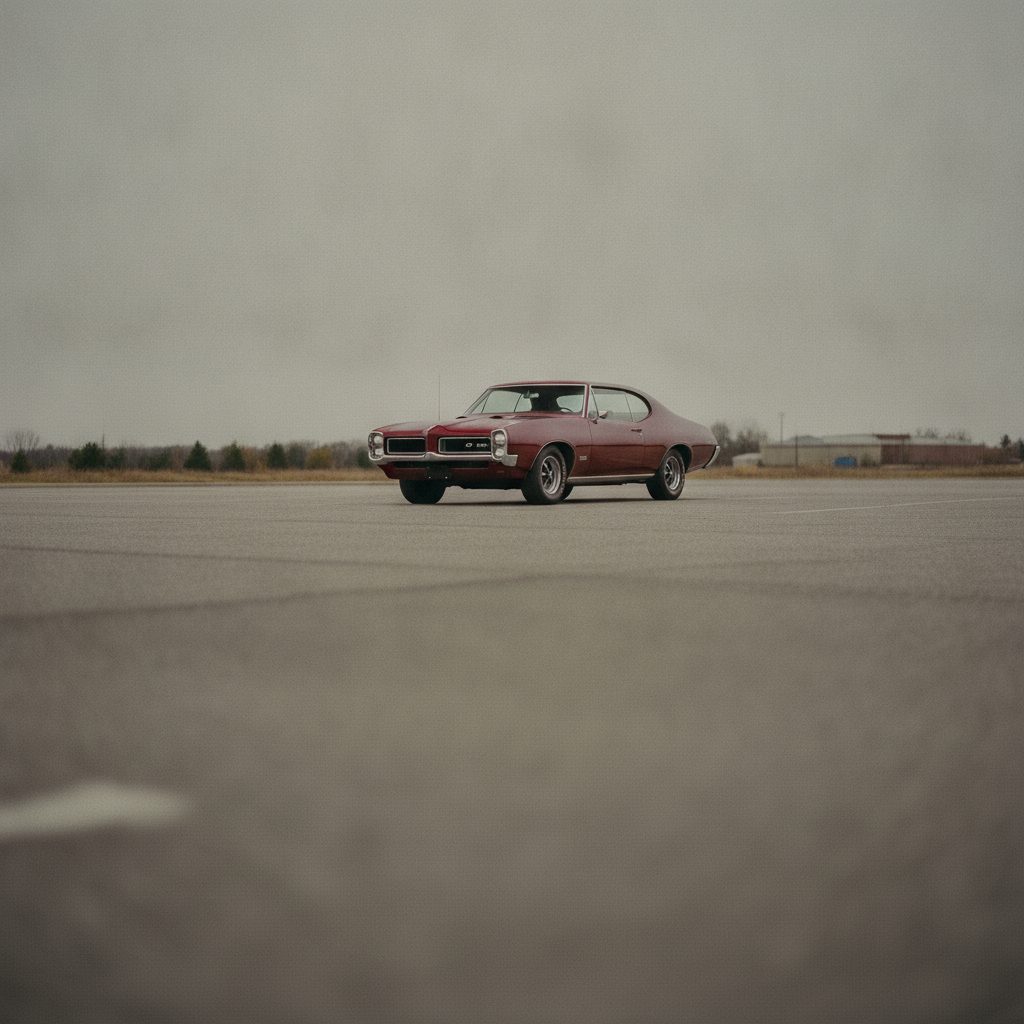
Lead image: an illustration produced in house. It is not a photograph of a specific car.
The muscle world, every morning. Auctions, builds, reveals. Free.