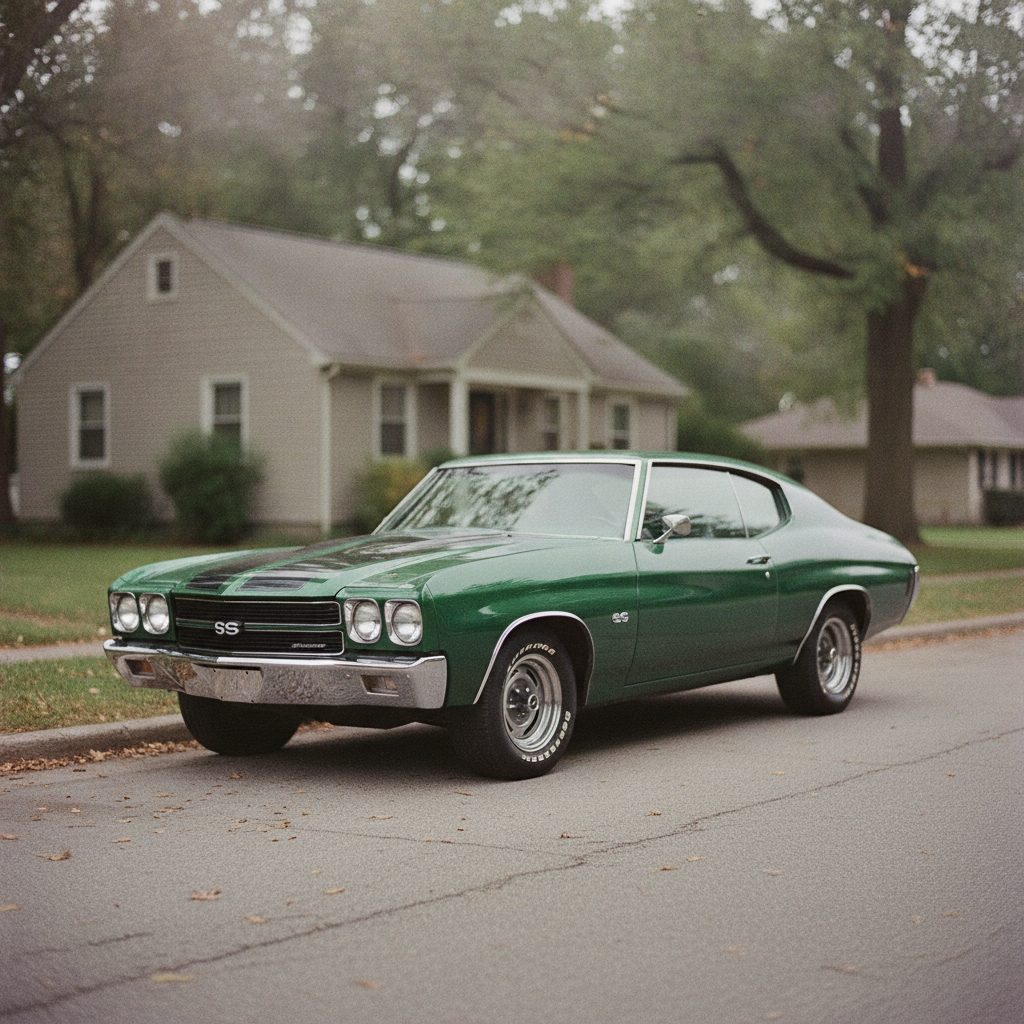
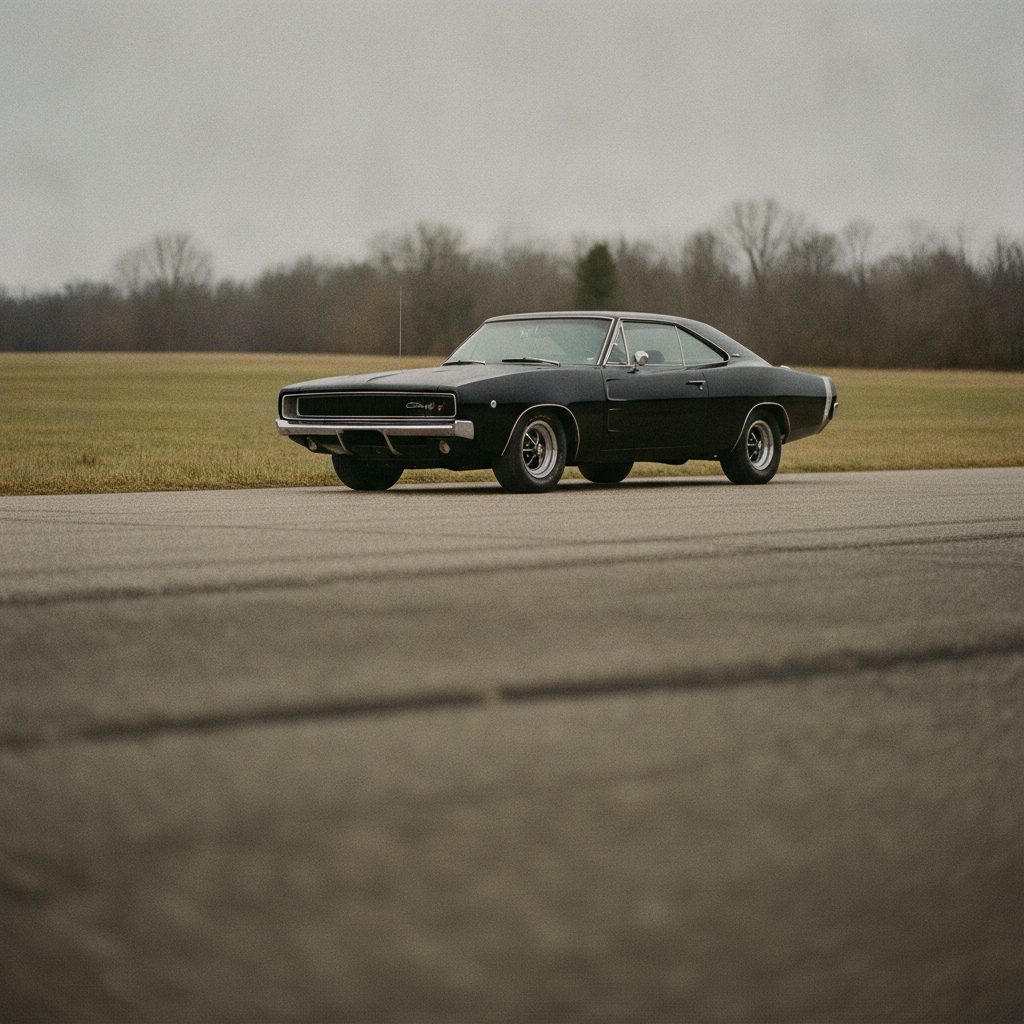
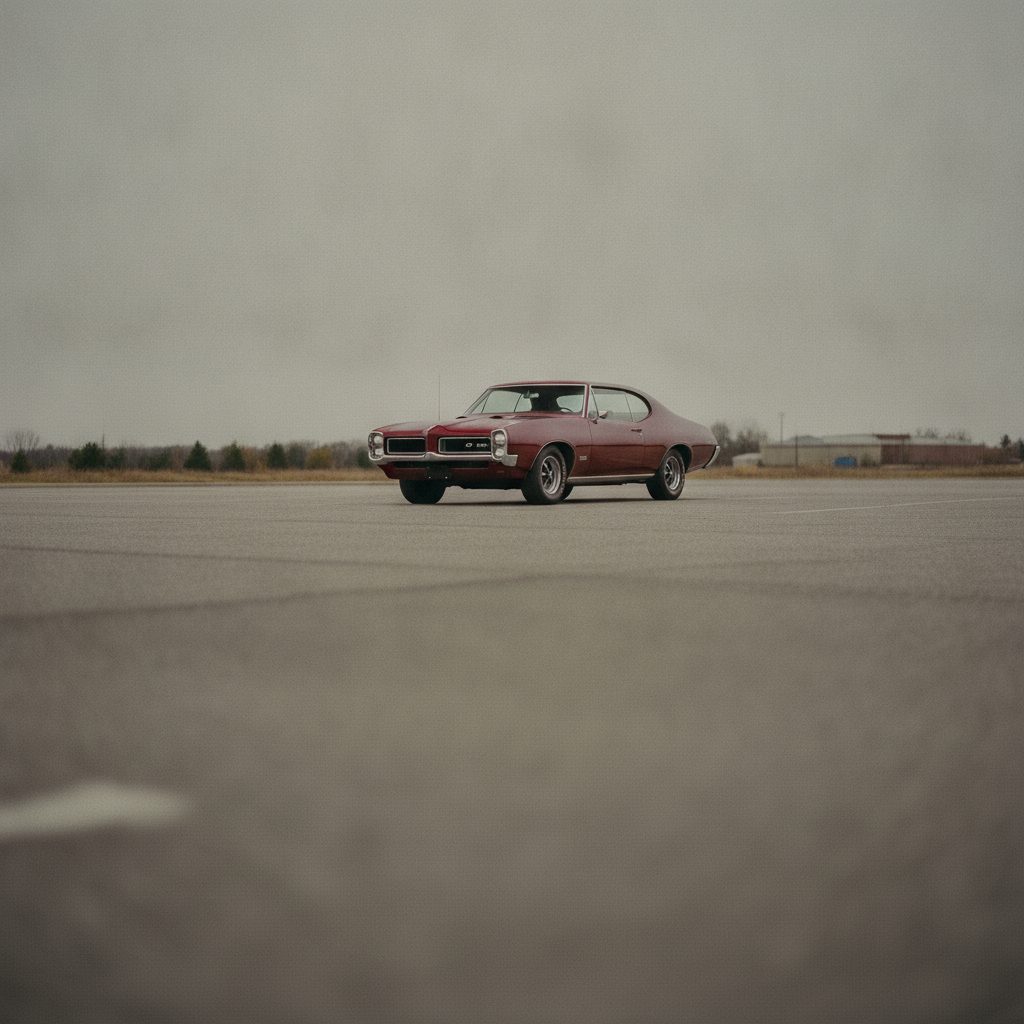
The Cheapest Muscle Car Worth Owning
The lowest asking price is a trap. Here is where the real value hides, by honest price band.
The lowest asking price is a trap. Here is where the real value hides, by honest price band.
Everyone types the same three words into a search bar at some point: cheapest muscle car. The results are a mess. Half of them are dealer listing walls, and the other half are new-car lists that somehow call a sixty-five-thousand-dollar electric sedan a bargain. So let us cut through the noise. The cheapest muscle car worth owning is not the absolute lowest number you can find on a Saturday morning. It is the car that gives you real V8 attitude, parts you can actually buy, and a floor you can crawl under without finding daylight through the rust.
This is a buyer's guide written by people who have owned these cars, not a slideshow built to sell ad impressions. We will walk the honest price bands, name the models that deliver, flag the ones that will quietly bleed you dry, and tell you exactly what to budget for after the sale closes. If you are still fuzzy on what separates a muscle car from a pony car or a sports car, start with our explainer on what actually makes a muscle car, then come right back here to spend your money wisely.
Cheap is relative, so let us set the terms. For this guide a cheap muscle car means an attainable, rear-drive, V8-powered car with genuine performance intent, bought as a driver rather than a museum piece. That splits neatly into two markets. The first is cheap classics, the survivors and drivers from the golden era that never carried a six-figure name. The second is cheap modern muscle, the used performance cars from the last thirty years that now sell for a fraction of their sticker. Both can be smart buys. Both can also be money pits. The trick is knowing which is which before you hand over a deposit.
The strongest value in the whole hobby lives here, and almost all of it is modern. The Fox-body Ford Mustang, the 5.0 cars built from the late seventies into the early nineties, remains the definitive cheap V8. They are light, plentiful, endlessly supported by the aftermarket, and easy to fix in a home garage. Right beside it sits the fourth-generation Chevrolet Camaro and Pontiac Firebird from the nineties, the LT1 and LS1 cars that deliver serious punch for used-economy-car money. The General Motors G-body, meaning the Monte Carlo SS, the Cutlass, and the Regal, rounds out the list as a cheap rear-drive canvas that begs for a V8.
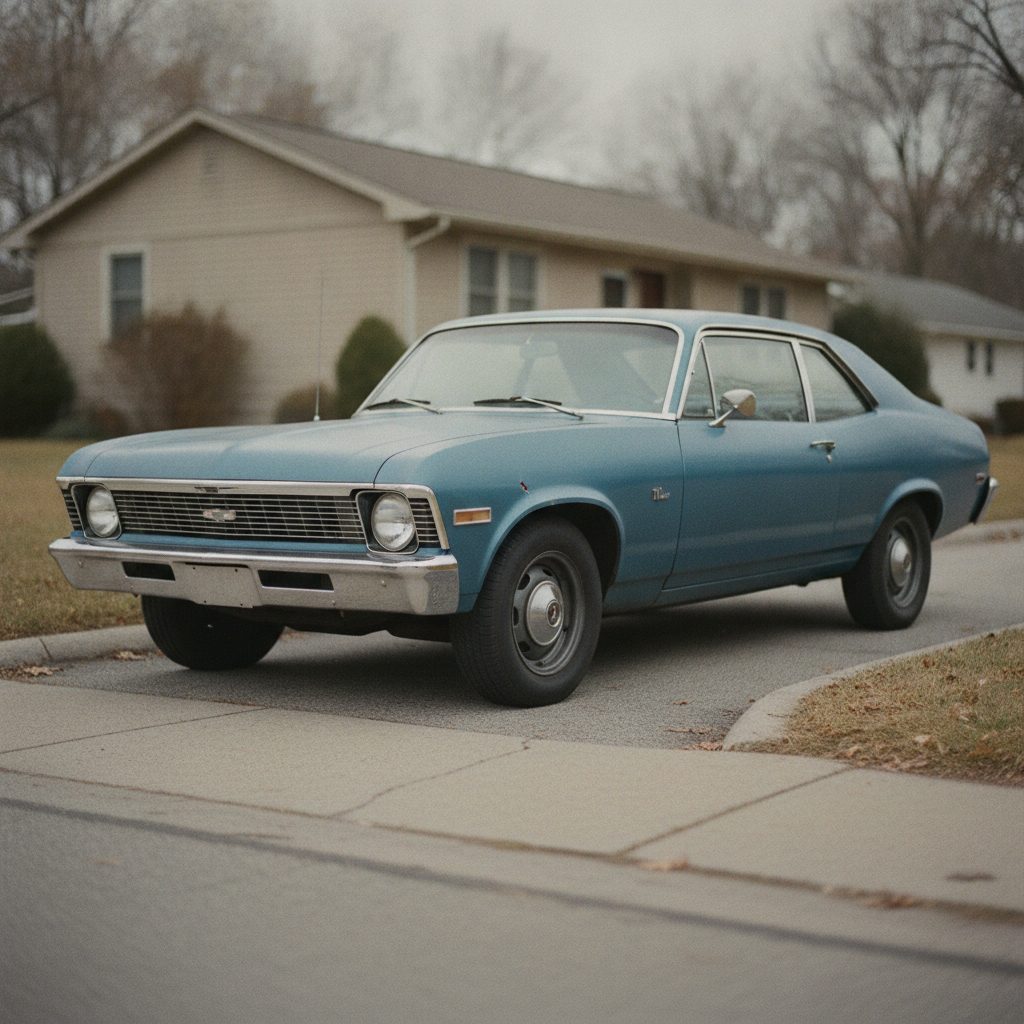
Classic muscle at this price is thinner but not impossible. You are shopping for honest drivers rather than showpieces: a small-block Chevy Nova, a slant-six or 318 Dodge Dart, or a Plymouth Duster in need of love. These will not be numbers-matching big-block cars, and that is fine. A clean, solid, running body at this money is a foundation you can enjoy now and improve slowly, which beats a rusty big-block shell that never turns a wheel. The best cheap classic is always the one you can drive home the day you buy it, then sort out over time on your own schedule and your own budget.
Step up a band and the golden-era field opens wide. This is the sweet spot for a driver-grade Nova, a Dart or Duster with a good 318, an early Mustang coupe, or a Mercury Cougar that the big auctions overlook. The cars that stayed common are the cars that stay affordable, and common means cheap parts and a deep well of knowledge to draw on. If you want a genuinely overlooked bargain with real pedigree, read our take on the two-seat AMC AMX, an underdog that still trades for less than its performance deserves.
The lesson in this band is to buy the body and the story, not the paint. A straight, solid, well-documented car with tired cosmetics is worth far more of your money than a shiny car hiding filler and a mystery drivetrain. Rust repair is the single most expensive surprise in this hobby, so a car that needs paint is a bargain while a car that needs floors is a warning.
The new-car answer has shrunk dramatically. With the Chevrolet Camaro out of production and the Hemi Dodge Challenger retired, the traditional V8 pony car field has narrowed almost to a single survivor. The Ford Mustang is now essentially the last affordable new muscle car with a naturally aspirated V8 you can walk into a dealer and order. The turbocharged EcoBoost is the cheapest way into a new Mustang, and the V8-powered GT is the cheapest way into new muscle with the classic soundtrack intact. Anything wearing the Charger name today is a pricier, electrified proposition aimed at a different buyer entirely.
This is the section the listing walls never write, and it is the whole reason to read an enthusiast guide instead of a sales page. Rust is enemy number one on every classic: check the floors, trunk pan, lower quarters, and on Mopars the front shock towers and torsion-bar crossmember. On the modern cars the failure points are different but real. Fourth-generation LT1 and LS1 cars want attention to cooling, optispark on the earlier motor, and worn suspension bushings. Fox-body Mustangs need honest fuel-system and subframe inspections. Across the board, budget for tires, brakes, and a fluid service the week you buy, because a cheap car with deferred maintenance is not actually cheap.
The cheapest muscle car is never the one with the lowest asking price. It is the one that does not empty your wallet the month after you drive it home.
Some bargains are bait. Walk away from the rust-bomb project with missing trim you will never find, because reproduction parts for the popular cars are cheap but the rare pieces will bankrupt a budget build. Be wary of the non-running car sold on the strength of a fender badge, since a rare trim tag means nothing if the car underneath it is gone. And do the insurance math before you buy anything modern and fast, because a low purchase price paired with a high premium is a slow, monthly kind of expensive. The values direction on the truly desirable cars keeps climbing, as our look at the winged-car market shows, but that halo does not lift a rough project off the bottom.
For used cars, a Fox-body Ford Mustang 5.0 or a nineties Camaro or Firebird is usually the cheapest way into a real V8 muscle car, often for well under ten thousand dollars. For a new car, the entry-level Ford Mustang is effectively the last affordable new muscle car still in showrooms.
Honest golden-era drivers like a small-block Chevy Nova, a Dodge Dart, or a Plymouth Duster are the most attainable true classics. They stayed common, so parts and knowledge are cheap. Expect to pay more for a solid, rust-free body than for a big engine, because rust repair costs far more than horsepower does.
The classic answer is the Fox-body Mustang 5.0, long nicknamed the poor man's hot rod for its cheap price, light weight, and huge aftermarket. Among older cars, plain-Jane models like the Nova, Dart, and Duster earned the same reputation because they delivered rear-drive V8 fun without a premium nameplate.
Yes, if you buy the right one. A solid, running, rust-free car with common parts is one of the best value experiences in the hobby. The mistake is chasing the lowest sticker on a rusty or non-running project, which almost always costs more to fix than a better car would have cost to buy outright.
The muscle world, every morning. Auctions, builds, reveals. Free.